
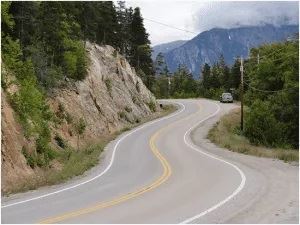
Millions of people travel along U.S. roadways every day. Whether it’s a commute to work or a trip to the grocery store, driving is heavily embedded in our culture. The necessity of travel has paved the way for innovation in safety and global conservation. Seat belts are required by law in most states, and groundbreaking moves have been made in the world of self-driving electric cars. Although these advances have made roadways much safer for the general public, some roads still pose a greater danger. That’s why we’ve put together a list of the most dangerous roads in the USA.
Approximately 1.16 million people around the world die in road traffic crashes every year, according to the World Health Organization. Major contributing factors include dangerous weather conditions, drunk driving, and ignoring traffic laws. Always stay alert behind the wheel, and use extra caution on the roads below. If you were hurt in a crash, our car accident attorneys can review your options.
The crash and fatality counts in this list cover a ten-year period [EDITOR: name the data source and the years covered]. Current numbers may differ. This article is general road-safety information, not legal advice. For guidance on your own situation, speak with an attorney.
New Mexico’s I-40
The desert is an unforgiving terrain. Whether it is the sizzling heat or terrifying dust storms, there is always something to watch for. Interstate 40 in New Mexico has seen more than 344 crashes and 395 fatalities in the last decade, making it one of the most treacherous routes through the arid lands.
This roadway stretches approximately 373 miles from Texas to Arizona. Before its completion in 1970, one stretch of I-40 was known across the nation as “Slaughter Lane.” The nickname reflected the many fatal crashes caused by heavy traffic on a two-lane highway combined with uneven paving.
Today, the most perilous section of this road is where I-40 intersects with I-25 near downtown Albuquerque. The congested interchange causes many fatal car crashes every year. Stay alert when traveling along I-40. The desert is a chilling place to be stranded.
For a free legal consultation, call (212) 732-2929.
Wyoming’s I-80
With 175 crashes and 207 fatalities in the past ten years, Interstate 80 in Wyoming is a force to be reckoned with. This highway runs about 402 miles from the Utah state line to Nebraska. While the Wyoming stretch of I-80 passes natural attractions such as Bear River State Park and the state’s famous ice caves, it has also been ranked as the eighth most dangerous road in the U.S. [EDITOR: source needed for ranking].
Poor weather conditions are a major contributing factor, but distracted driving and drunk driving are also common causes of accidents on this roadway. No matter the weather, keep your senses about you when traveling on this winding road.
Arizona’s I-40
The Arizona stretch of Interstate 40 also earns a place among America’s most dangerous roads. This roadway has seen 249 crashes resulting in 293 fatalities in the past ten years. Unlike many U.S. highways, one of the biggest dangers on I-40 in Arizona is dust storms.
Dust storms can stretch up to 62 miles with winds reaching 65 miles per hour. These storms can push full-size vehicles off roadways with ease. Being caught in one is dangerous, but continuing to drive through the dust is even riskier. If a dust storm traps you, pull over and wait it out. Pushing through the storm could easily cost your life or the lives of others. Families who lose someone in a preventable crash may have a wrongful death claim.
Contact our personal injury lawyers today
Montana’s Highway 2
A dangerous highway does not have to be crowded or busy, and this one proves it. Highway 2 in Montana stretches from Butte to Three Forks. It’s in a remote location and attracts motorists with reckless behaviors.
There’s no doubt that the area offers stellar landscapes and amazing drives. However, distracted driving caused by scenery gazing can lead to a fatal outcome, not only from a violent crash but from being stranded. It can take an ambulance up to 90 minutes to reach you. What starts as a simple accident or breakdown can turn into a life-threatening situation very quickly if you don’t get the help you need.
While traveling in Montana, keep your speed at a reasonable level and stay alert for reckless drivers.
Complete a Free Case Evaluation form now
California’s I-40
Driving in California can be a nightmare. Traffic in Los Angeles is famous for being some of the worst in the world, and State Road 138 and I-15 are synonymous with danger. Another stretch of I-40 runs through Southern California, and it is one to be wary of. Spanning 154 miles from the Arizona state line to Barstow, this section of highway has seen 116 crashes with 136 fatalities in the last ten years.
Although efforts have been made to ease the traffic and road problems, the construction zones have caused more accidents than they have prevented. On this stretch of highway, stay aware of the roadway and the people driving on it. The scenery of the Mojave Desert may be beautiful, but letting it distract you can cost more than it’s worth.
U.S. Highway 83 in Texas
Texas boasts that everything’s bigger in its state, and Highway 83 embodies precisely that. Stretching 893 miles from the United States-Mexico border to the Oklahoma state line, Highway 83 has accrued 268 crashes with 336 fatalities over the past decade.
Although the Texas terrain can be rough, drunk drivers are the biggest threat on Highway 83. Drunk drivers cause over 50 percent of all crashes on this roadway, making them one of the most dangerous threats in the Lone Star State. If you travel this road, keep a close eye on other drivers and report any suspicious behavior to the proper authorities.
Houston’s I-45
Because Texas is so big, it only makes sense that there would be another stretch to watch for. I-45 averages more than 56 traffic fatalities for every 100 miles. This major Houston highway is regularly congested, which makes travel even more complicated.
You won’t encounter much poor weather in this area unless it’s hurricane season. Most accidents result from drunk driving, distracted driving, operator error, and speeding instead. Watch for changing traffic patterns and frustrated commuters on this stretch.
Alaska’s James Dalton Highway
Rental car companies often forbid this route, signaling how dangerous the terrain can be. The James Dalton Highway in Alaska comes with numerous hazards.
First, there are the giant potholes you have to maneuver around. Add subzero temperatures and racing winds, and you have a recipe for disaster. You won’t find yourself on this road by chance. You would have to plan to be there, and many people do, because the natural beauty around the highway is hard to resist. If you go, be prepared for a broken windshield and worn-out tires by the end. Road defects cause crashes everywhere, and our guide to defective roadway claims in NYC explains how responsibility is decided in New York.
Florida’s U.S. Highway 1
Last but certainly not least is the Florida section of U.S. Highway 1. This roadway has accumulated 1,011 crashes and 1,079 fatalities over the past ten years and has been ranked as the most dangerous road in the U.S. [EDITOR: source needed for ranking]. The Florida stretch runs approximately 545 miles along the East Coast and is a popular route for tourists from around the world.
Confusion among tourists traveling somewhere new may play a major role in why this road is so dangerous. Aggressive driving and highway congestion are likely contributing factors too. Nothing compares to Florida’s tropical scenery, but don’t get too enamored with your surroundings here. A crash could cost you far more than your vacation to the Sunshine State.
Stay Safe – Arrive Home
If you want to make it back to your loved ones, exercise extreme caution anytime you travel at high speeds. These safety tips will help you avoid deadly collisions.
- Watch your speed. Adjust it as needed for inclement weather or shifting traffic patterns.
- Maintain a safe following distance. Allow at least three seconds of reaction time between you and the vehicle in front of you.
- Be aware of tractor trailers and don’t cut them off. Signal early and make your intentions known.
- Stay in the right lane unless you are passing.
- Turn on your headlights in bad weather.
- Remain alert. Drowsy driving is a factor on long interstate stretches. If you need to stop and sleep, check the rest area rules by state before you rely on one.
- Don’t drink and drive.
Featured Image Credit: babylass / Pixabay
Our attorneys bring extensive experience to a range of personal injury cases, including car and construction accidents, catastrophic injuries, wrongful death, and more.
Call or text (212) 732-2929 or complete a Free Case Evaluation form.